


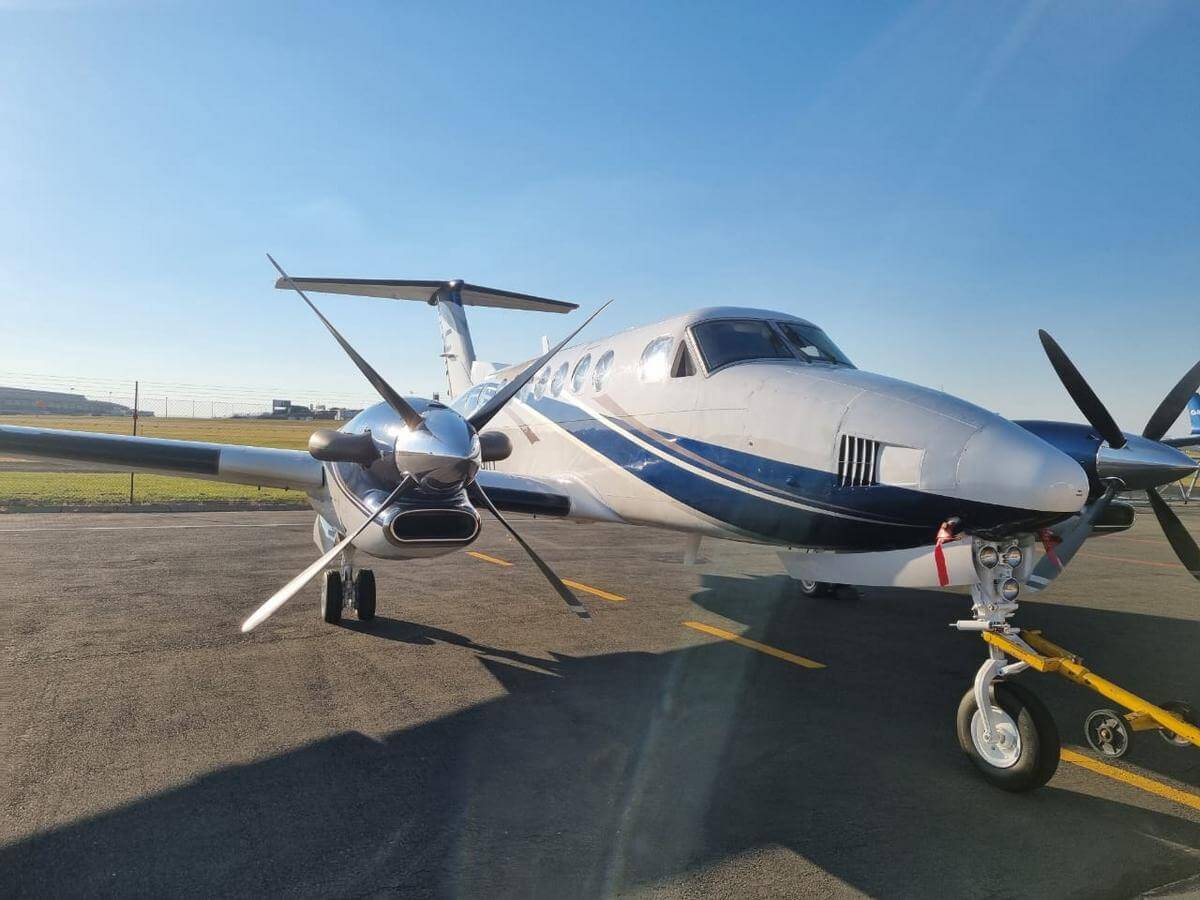
The exterior of an aircraft is constantly exposed to a demanding environment. UV radiation, temperature fluctuations, airborne contaminants, hydraulic fluids, de-icing chemicals and jet exhaust all affect the surface over time. Aircraft exterior polishing is a critical maintenance activity that goes beyond aesthetics, protecting the aircraft, supporting performance, and preserving asset value.
Why Aircraft Polishing Matters
At its core, exterior polishing serves three primary purposes: protection, presentation, and performance.
Protection: Oxidation and contamination gradually degrade paint and metal surfaces. Polishing removes oxidised layers and surface deposits, helping prevent corrosion and preserving the paint’s protective properties. Regular polishing extends the lifespan of the finish, often delaying the need for costly repainting or touch-ups.
Presentation: For business aviation, appearance is a key part of brand image. A well-maintained, high-gloss exterior communicates professionalism, instils client confidence, and reflects the standards expected in executive operations.
Performance: Surface smoothness affects aerodynamics. Oxidation, dirt, or uneven finishes increase drag, which can subtly affect fuel efficiency and overall aircraft performance. A polished exterior promotes optimal airflow, supporting operational efficiency over the long term.
Understanding the Polishing Process
Aircraft exterior polishing is a precise, multi-step procedure that requires specialist knowledge, approved materials, and strict adherence to manufacturer and aviation standards. Operators can expect the process to include the following stages:
- Assessment and Preparation: Before any polishing begins, the aircraft’s surface is carefully inspected. Paint thickness, oxidation levels, scratches, and surface contamination are evaluated. Sensitive areas such as leading edges, static ports, and antennae are identified to ensure they are handled correctly.
- Cleaning and Surface Decontamination: A thorough wash removes dirt, grease, and environmental contaminants. Often, mild chemical cleaners are used to eliminate stubborn residues without damaging paint or metal surfaces.
- Polishing: Polishing compounds are applied using controlled methods, typically with low-speed rotary or dual-action polishers. The goal is to remove oxidation and micro-scratches without removing excessive paint or protective coatings. The choice of compound and technique depends on the surface material—aluminium, composite, or painted finish—and the condition of the aircraft.
- Inspection and Touch-Up: After polishing, the surface is inspected under varying light conditions. Minor imperfections may be addressed with additional targeted polishing or touch-up compounds to achieve uniform gloss and finish.
- Protective Coatings (Optional): Many operators apply waxes, sealants, or advanced ceramic coatings after polishing. These provide an additional barrier against UV, oxidation, and environmental contaminants, extending the interval before the next polish.
Guidelines and Industry Standards
Aircraft exterior polishing is governed by a combination of manufacturer recommendations, maintenance manuals, and aviation authority regulations.
- Manufacturer Guidelines: Most OEMs, including Boeing, Airbus, and Bombardier, provide specific instructions on approved compounds, polishing frequency, and techniques. Following these ensures warranties remain valid and structural protection is maintained.
- Maintenance Best Practices: Organisations such as EASA and the FAA emphasise surface inspections during routine maintenance cycles. Polishing is often integrated into scheduled maintenance to optimise both cosmetic and functional outcomes.
- Environmental and Safety Standards: Proper handling of chemicals, polishing compounds, and waste is essential to comply with UK environmental regulations and workplace safety standards.
What Operators Can Expect
For aircraft operators, professional exterior polishing delivers tangible benefits:
- Enhanced Appearance: A polished aircraft consistently looks its best, reinforcing corporate or brand standards.
- Surface Protection: Oxidation and corrosion risks are reduced, helping preserve the aircraft’s structural integrity.
- Improved Efficiency: Smoother surfaces support aerodynamic performance and may contribute to marginal fuel savings.
- Simplified Inspections: Clean, polished surfaces make defects such as cracks, leaks, or corrosion easier to detect.
- Asset Value Retention: Documented, regular polishing demonstrates proactive care, supporting resale or lease return value.
Operators should plan for regular polishing cycles, often coordinated with annual maintenance or paint inspections. The frequency varies depending on aircraft type, operating environment, and manufacturer guidance, but a professional schedule ensures maximum protection and appearance retention.
The Bottom Line
Exterior polishing is a strategic maintenance activity that goes beyond aesthetics. It protects the aircraft, preserves performance, simplifies inspections, and supports asset value. By choosing a professional, specialist provider, operators can ensure the process is performed safely, efficiently, and in line with industry standards. At Executive Aircraft Refurbishment, we combine technical expertise with meticulous attention to detail, delivering exterior finishes that meet both operational and executive expectations.


